Before the appearance of buildings, man lived in nature. Variables such as geographical location, weather conditions, time of year, cloud cover and other meteorological phenomena, but also natural formations such as mountains, hills and forest areas are determining factors for the quantity, intensity and distribution of light in an area, creating unique lighting conditions, offering a variety of experiences and opportunities for the habitants.
The Aegean is characterized by the typical Mediterranean type of climate. More specifically for the study area and the island of Chios, the climate is characterized by mild winters and hot, dry summers. The possibilities provided by the area, the climate and its euphoria, combined with its short distance from the Asia Minor Coast, were the reasons that gave the island almost continuous life from the Stone Age till today.
The study focuses on the Mastic Villages of Chios which, as their name indicates, are a set of settlements in the mastic-producing area which, despite the damage and destruction they have suffered over the centuries from the Venetian occupation until today, are still monuments of cultural heritage. The historical circumstances that led to the creation and fortification of Mastichohoria are connected with the need for security from enemy attacks and the exploitation of the important monopoly of mastic. The southernmost settlements were built away from the sea to avoid pirate attacks and had safe harbors. Only the top floor of the central tower was visible from the fortified watchtowers, known as vigles. Through this communication, the connection between the settlements and the beaches was maintained.
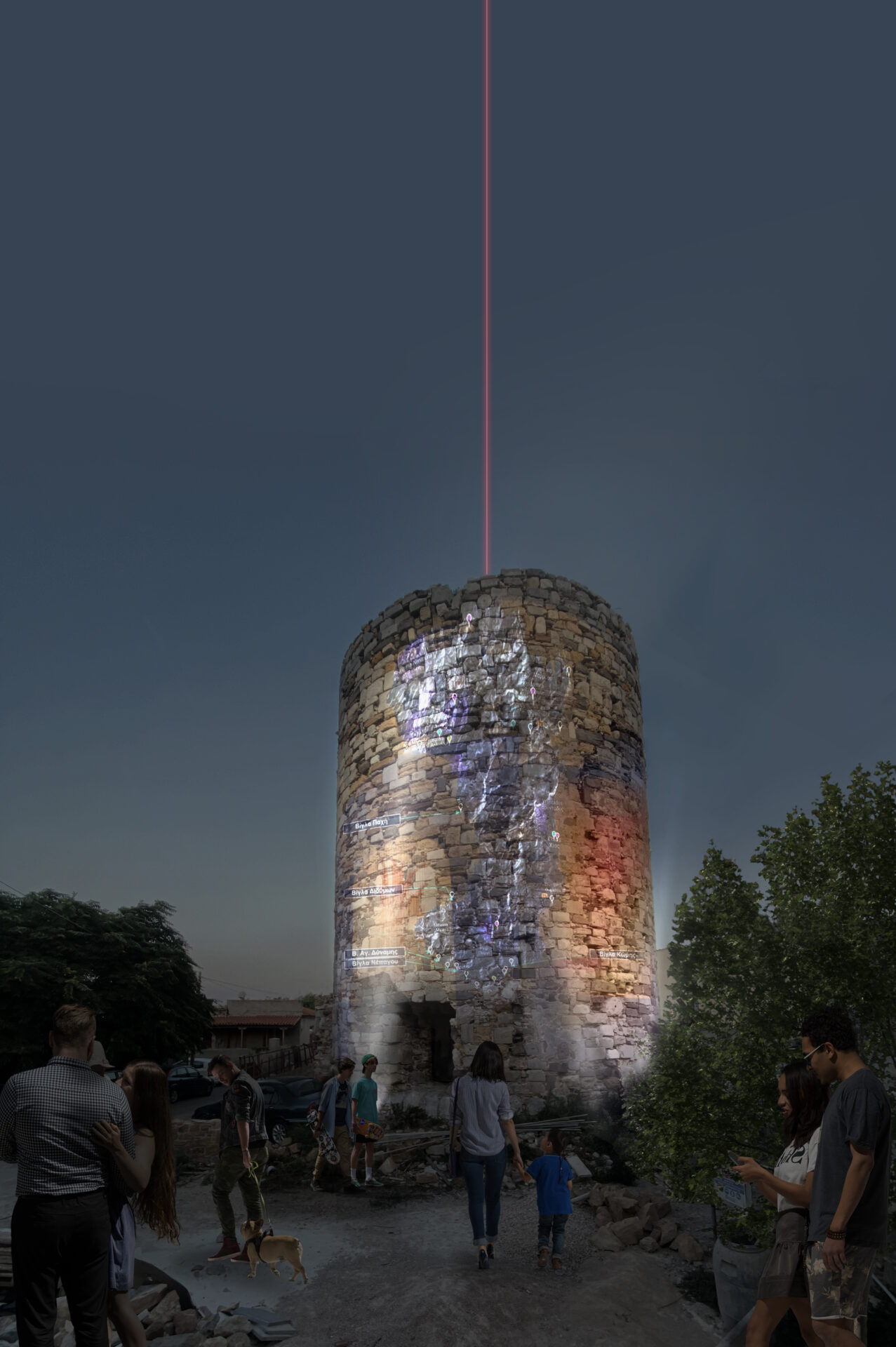
The vigles of Chios, critical points of the island’s defense network, are placed in strategic points that allow the supervision of the coastline, they functioned mainly as lookouts for the island, but at the same time they had an important defensive role by giving a fortified image in order to prevent attacks by pirates. This was done by sending distress signals through smoke and fire. At night, the vigilators lit fires creating a flame that could be seen from a great distance and alert nearby residents of a possible threat. The most important vigla among them is the great vigla of Koulas, located inside the castle of Chios. According to the prevailing opinions, this was the largest and highest vigla of the island and was the center of the network of vigles, as it overlooked the port of Chora.
Through the analysis of the socio-political, architectural and urban characteristics of the medieval settlements, the role of lighting in the daily life of the inhabitants, in their organization and also in defense becomes clear. Light provides information for orientation, safety and surveillance, interpretation of social signals, resource recognition, and hazard awareness. On the occasion of the above, an attempt will be made to capture in an illuminating way the importance of transmitting danger messages through fire from the fortified watchtowers, vigles, to the settlements and the city.
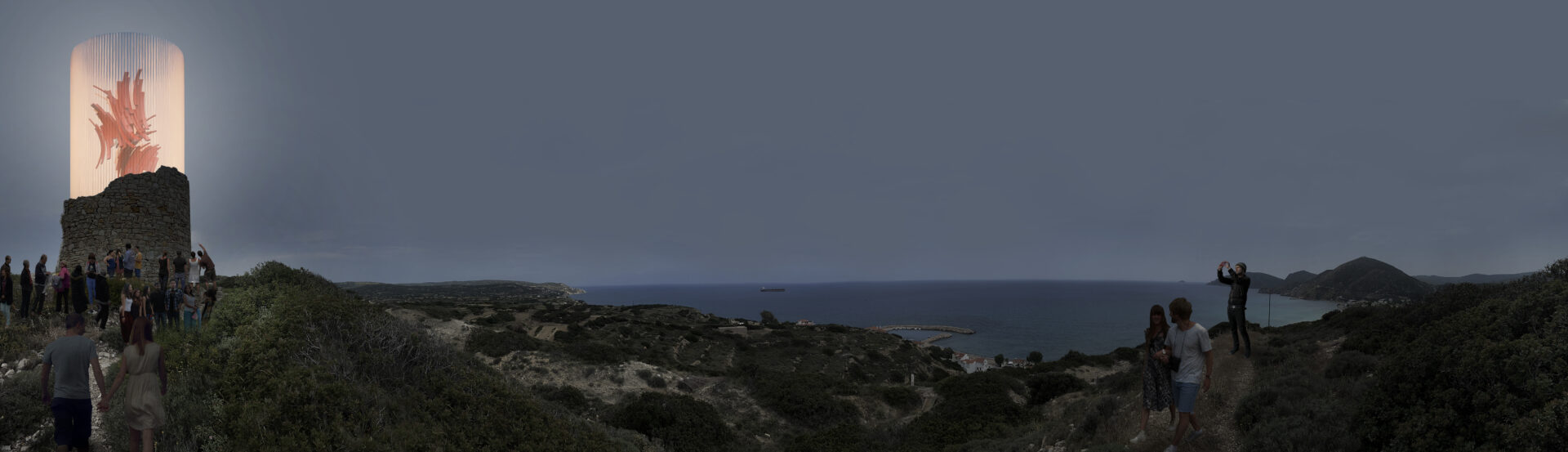
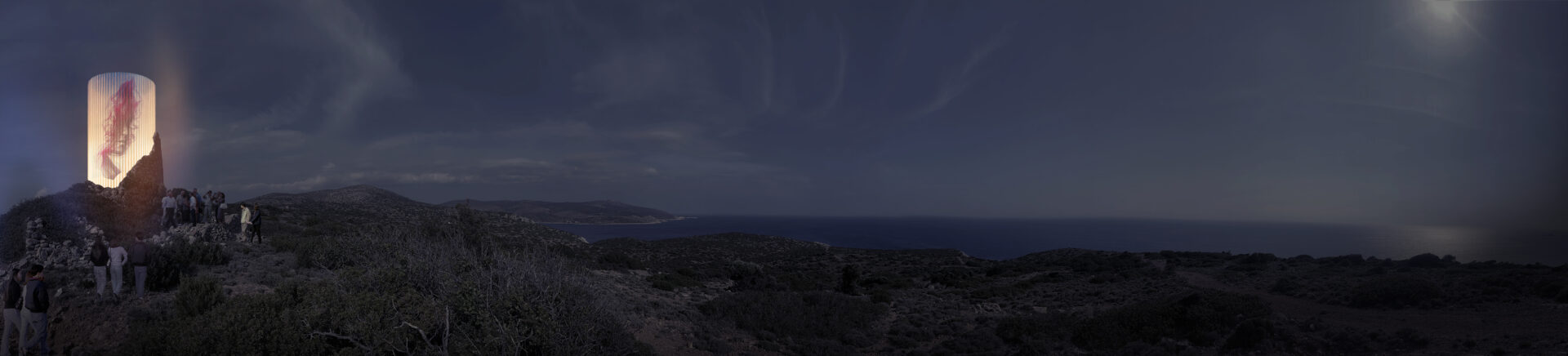
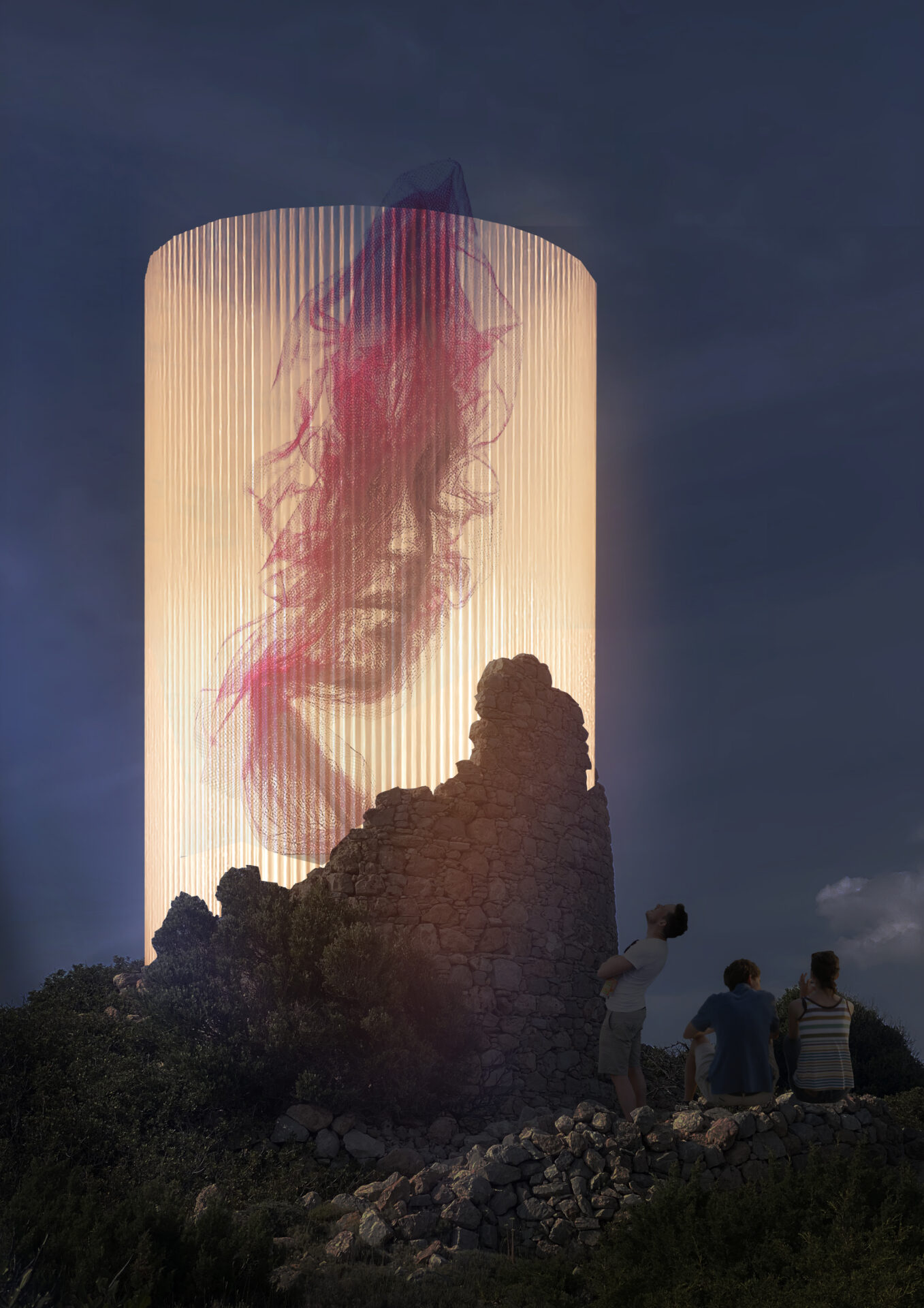
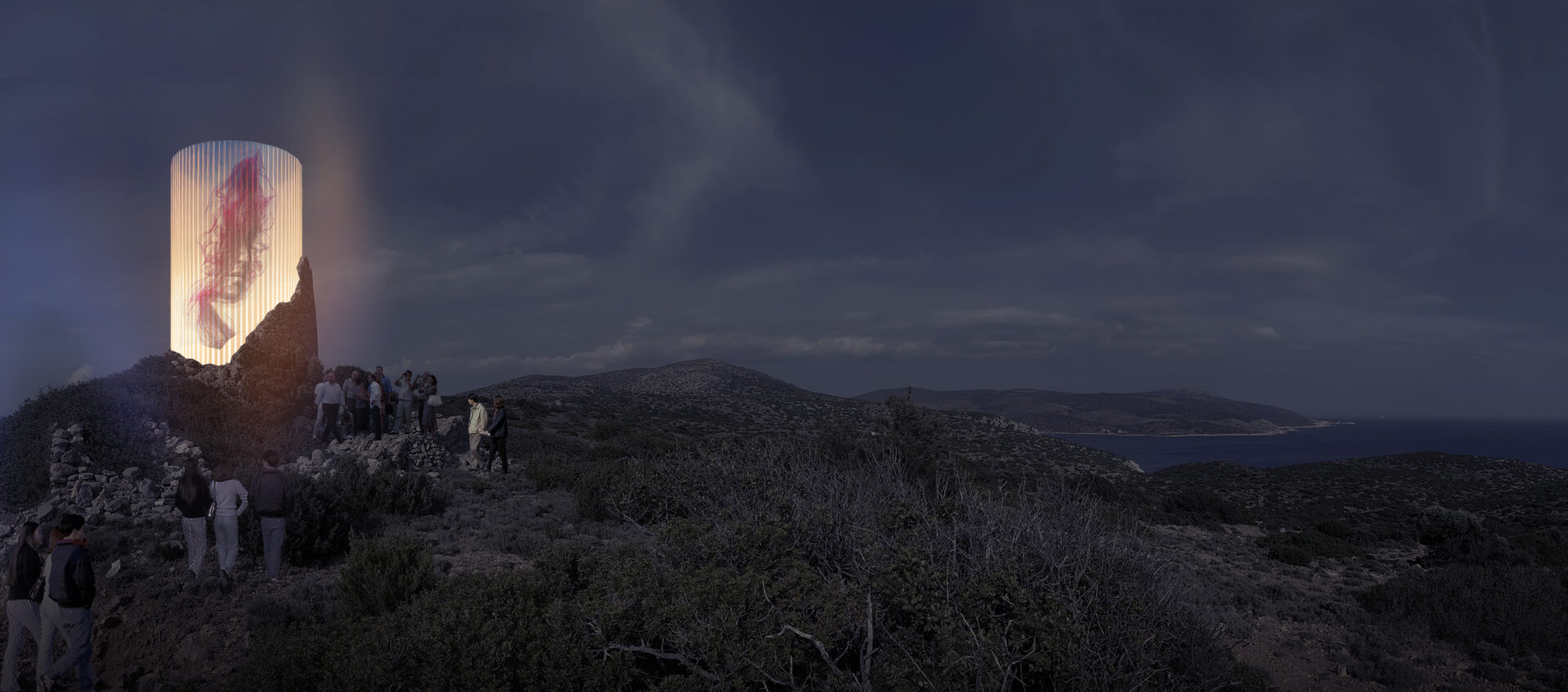
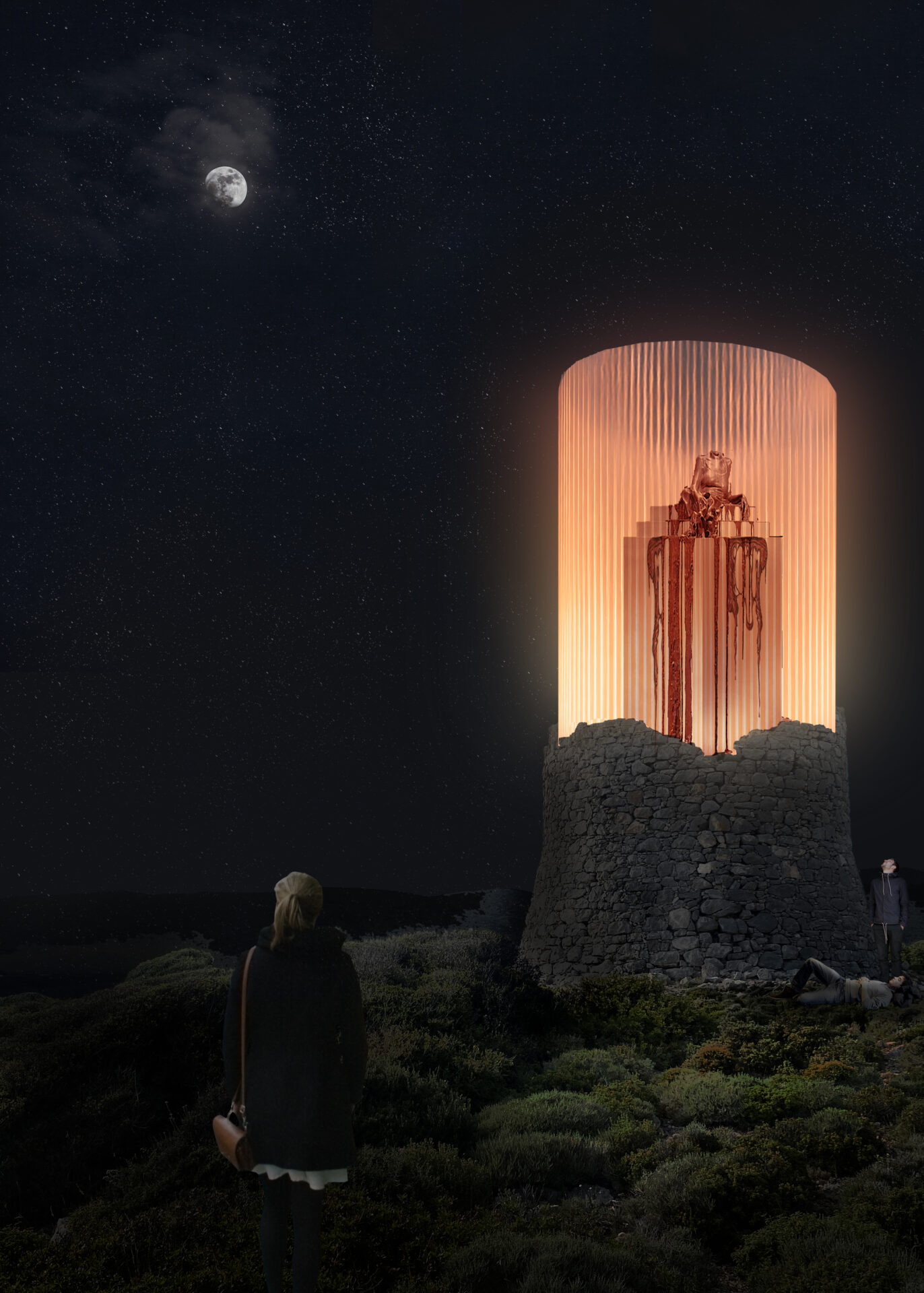
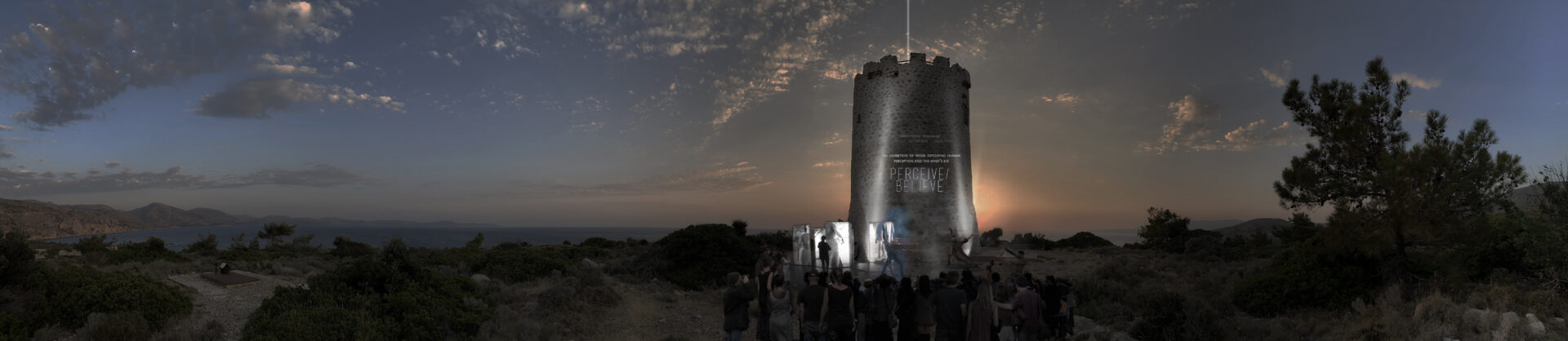
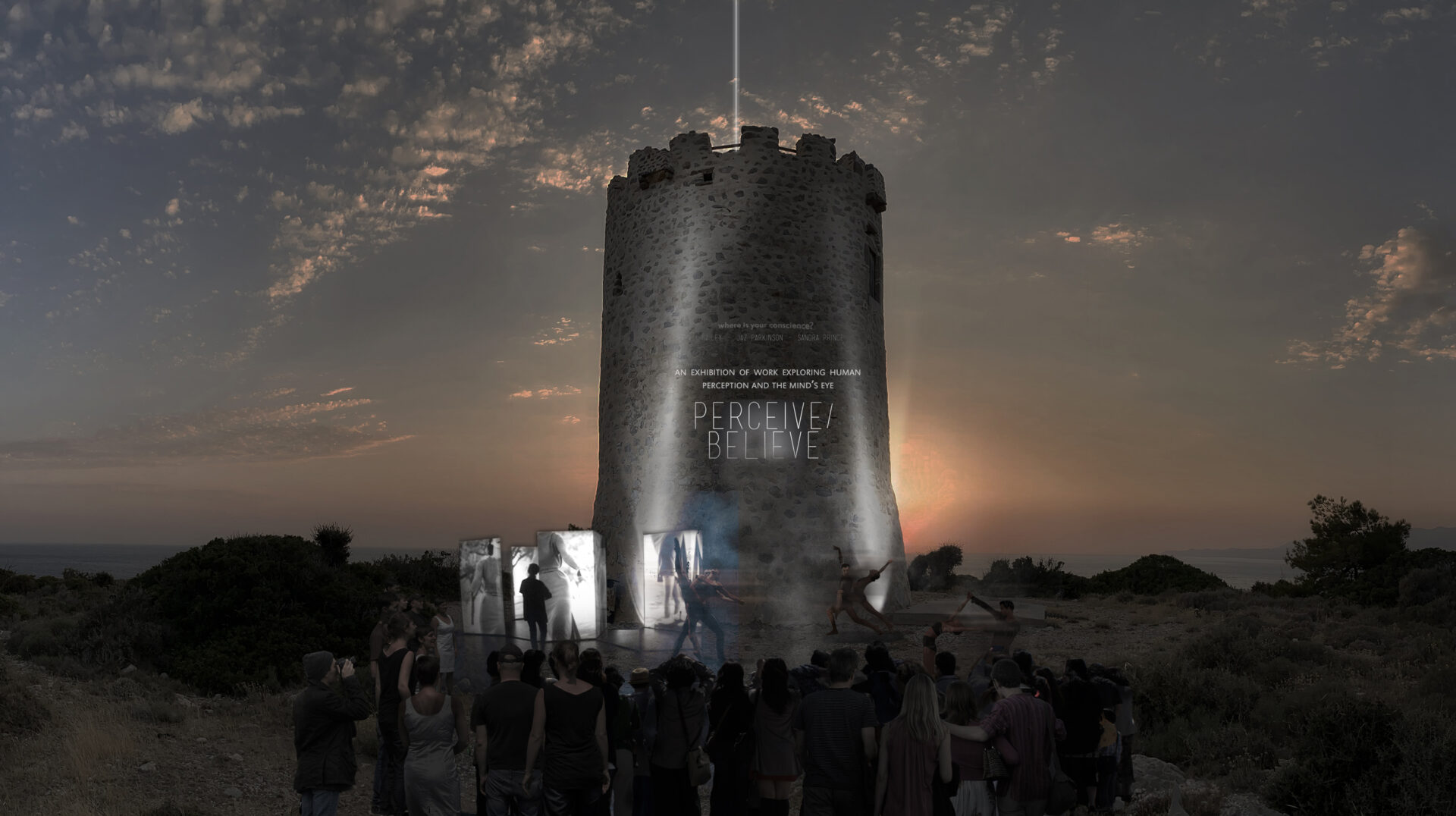
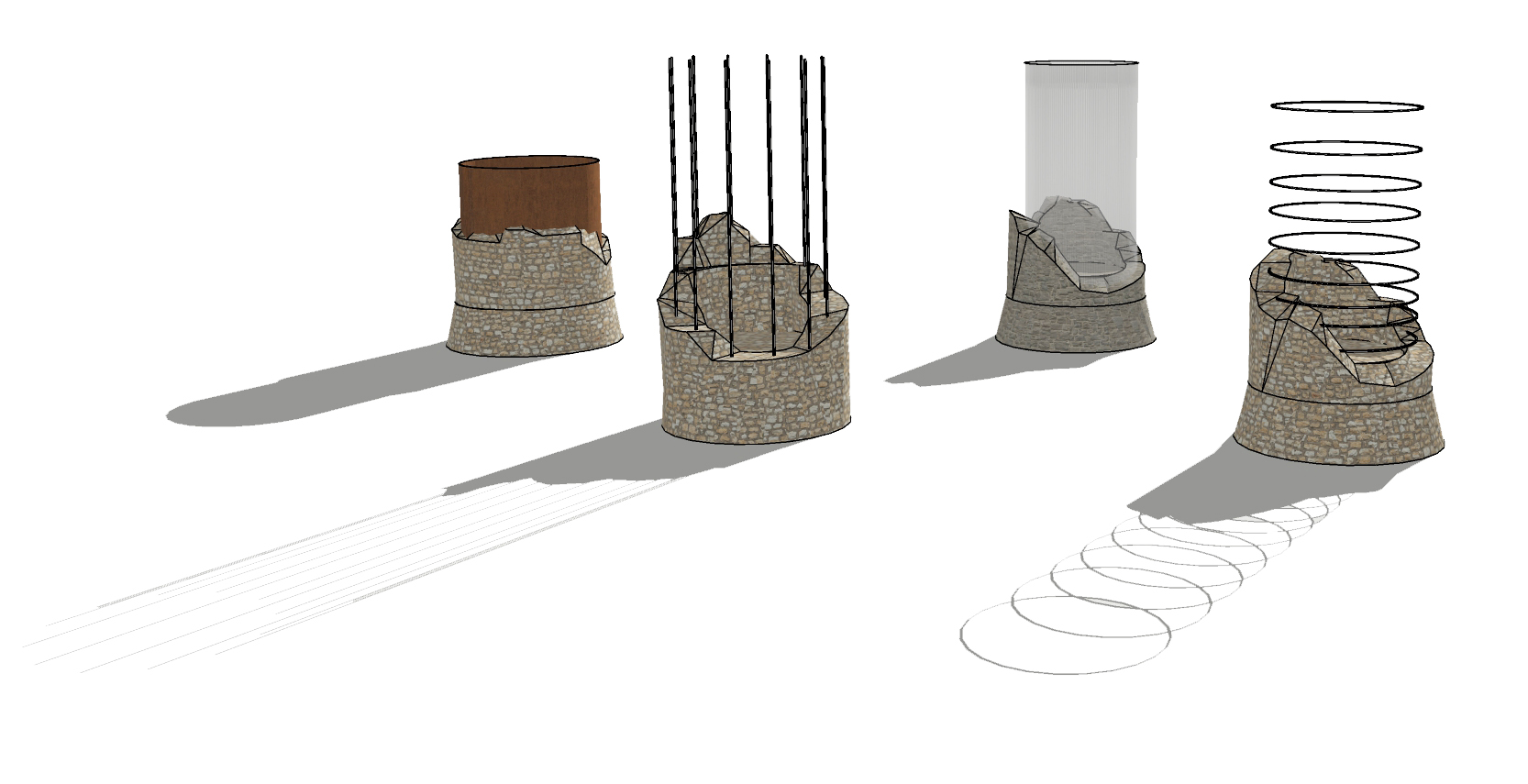
Some of the meanings of light are universal and archetypal images, common throughout the world. Others are associated with specific places or may have personal meaning for us, linking it to specific experiences, memories, events or even people. As light plays an important role in highlighting the form and the space that its architecture creates, it also reveals the approach, meanings and intentions formulated during the conception of the idea and incorporated into the design and implementation of the project. The intention of the lighting gesture is just that, a clear lighting proposition that will upgrade the shell and communicate the design intent and the meaning of the lighting. The lighthouses that once functioned as observatories will become themselves observation points today. Their stone shells, which in the past were the protection of the vigilators, today will be called upon to ‘protect’ works of art. And most importantly, as a few centuries ago danger messages were communicated, today through lighting, art will be communicated and through this the story itself. The aim of the project is to establish it as an action that will be repeated every spring or summer on the island paying tribute to the inhabitants of Chios who lived under the threat of pirates and conquerors and even more to those who were slaughtered during the darkest period for the island, that of the Turkish rule and specifically the massacre of 1822. The entire lighting path will offer the visitor a complete experience, transporting him not only locally to the events but also in time.
“The ability of light to penetrate material and temporarily produce an inner glow and intensity of existence is a timeless source of human wonder” (Plummer, 2009, 218). The lighthouses will act as beacons with the intention of sending the message to the whole island through light while the space around them will remain dark intensifying the sense of shelter. The aim is to give the trigger through the lighting installation for their utilization from dead shells into ‘containers’ of art.