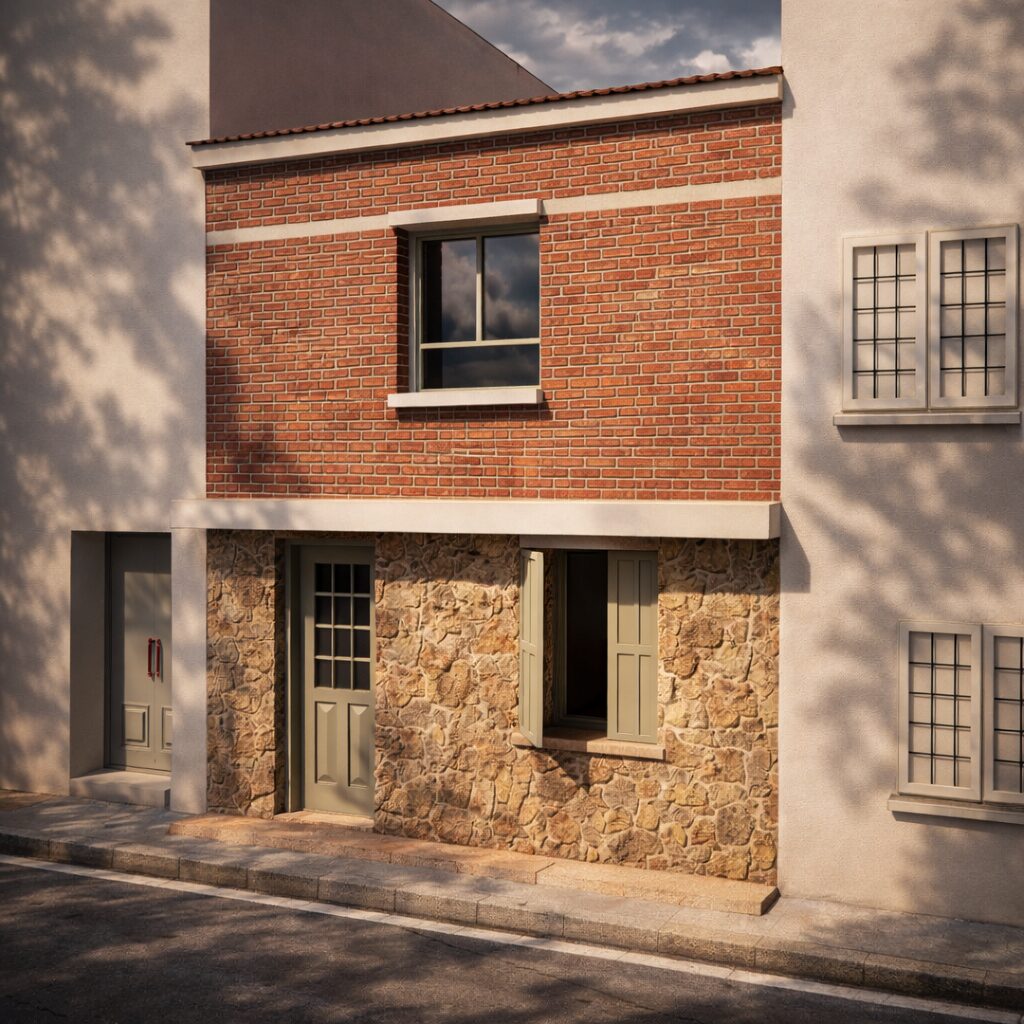
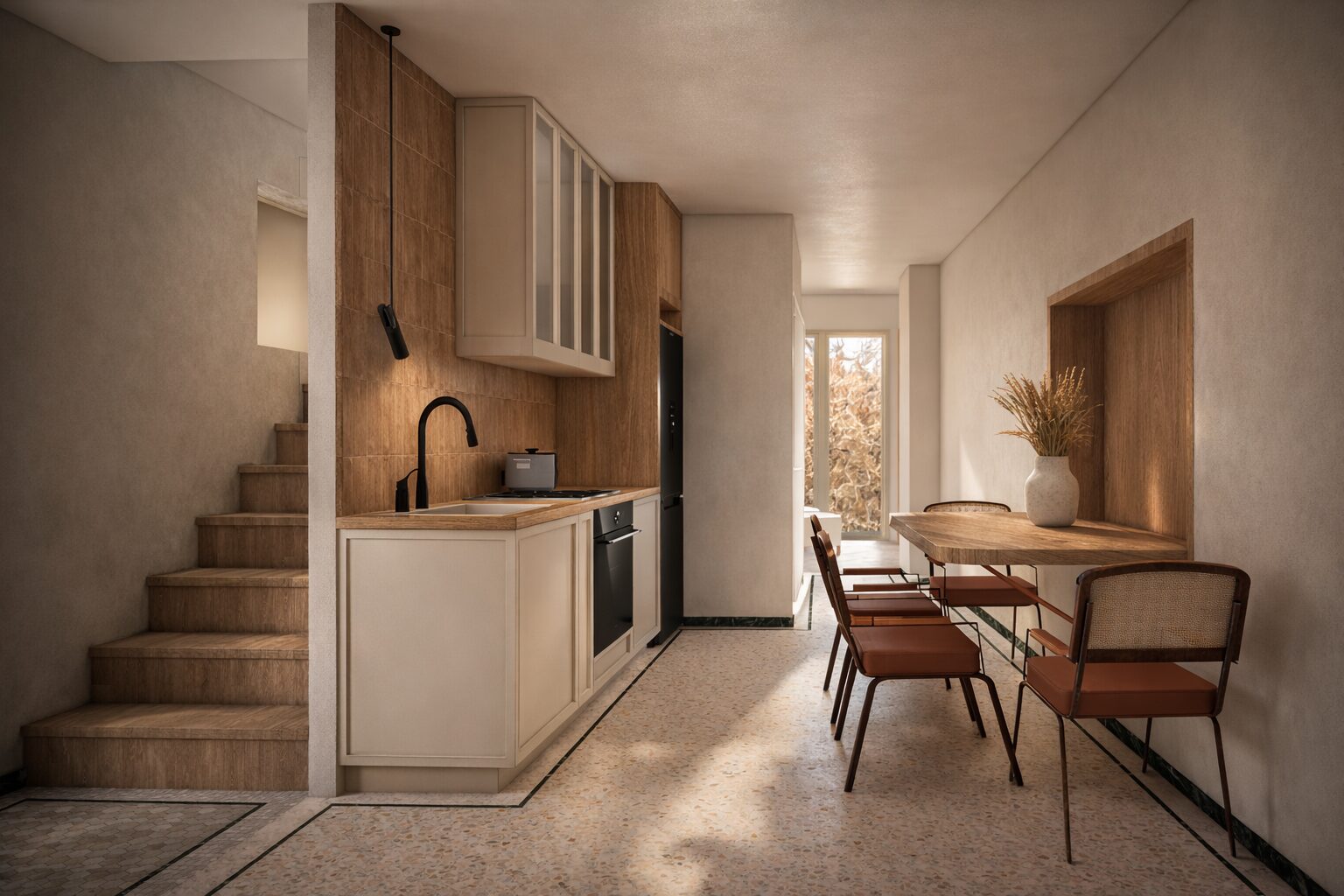
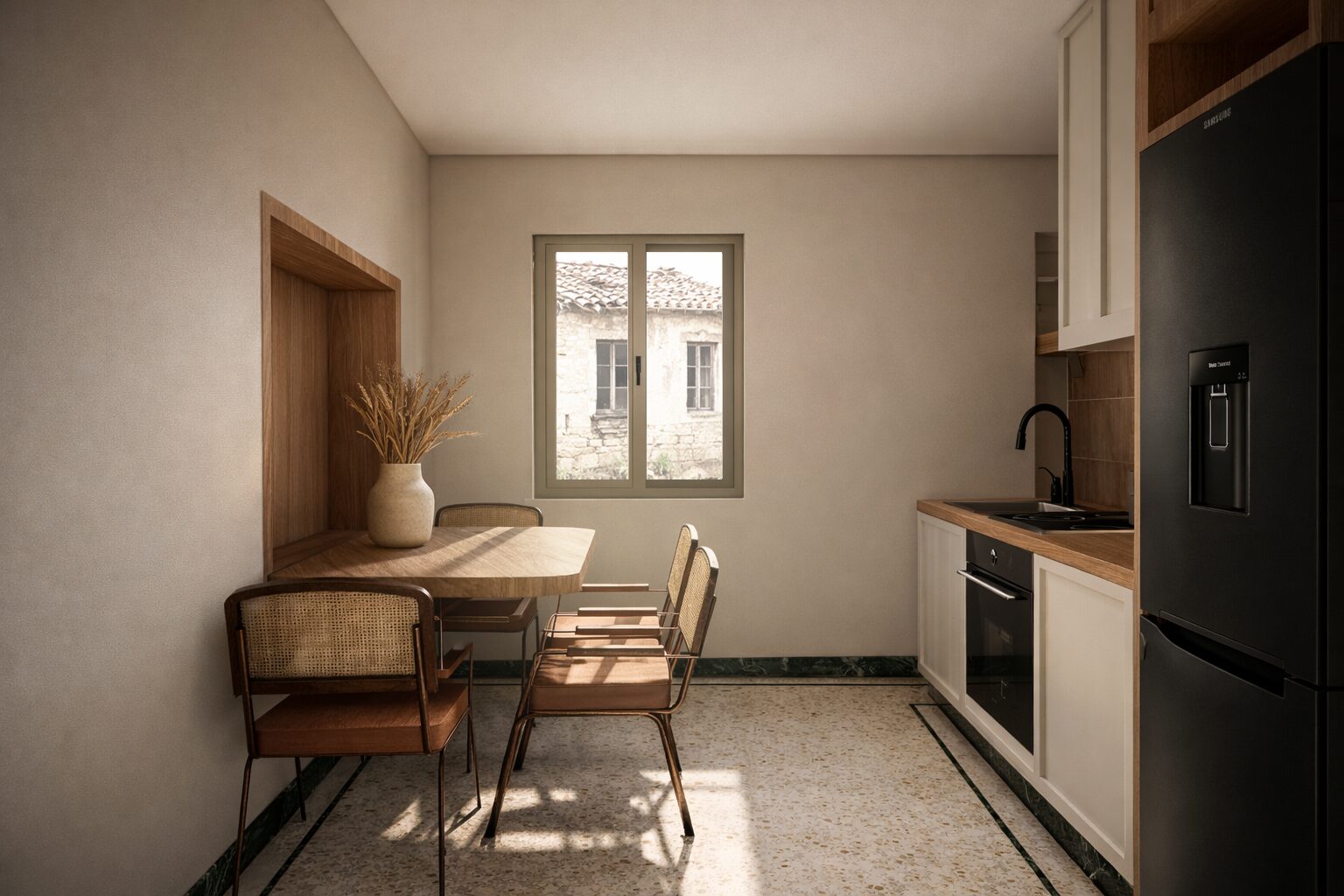
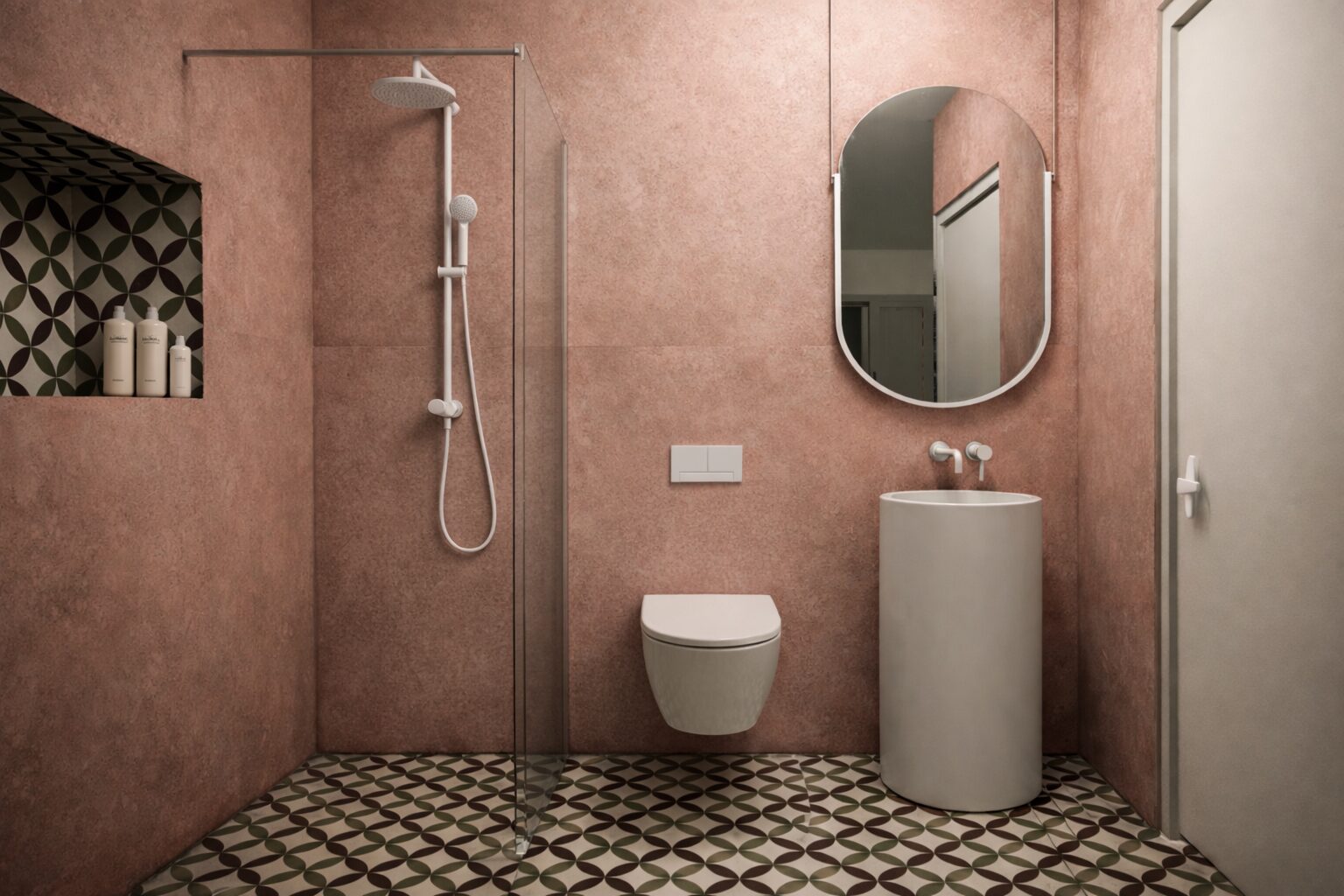
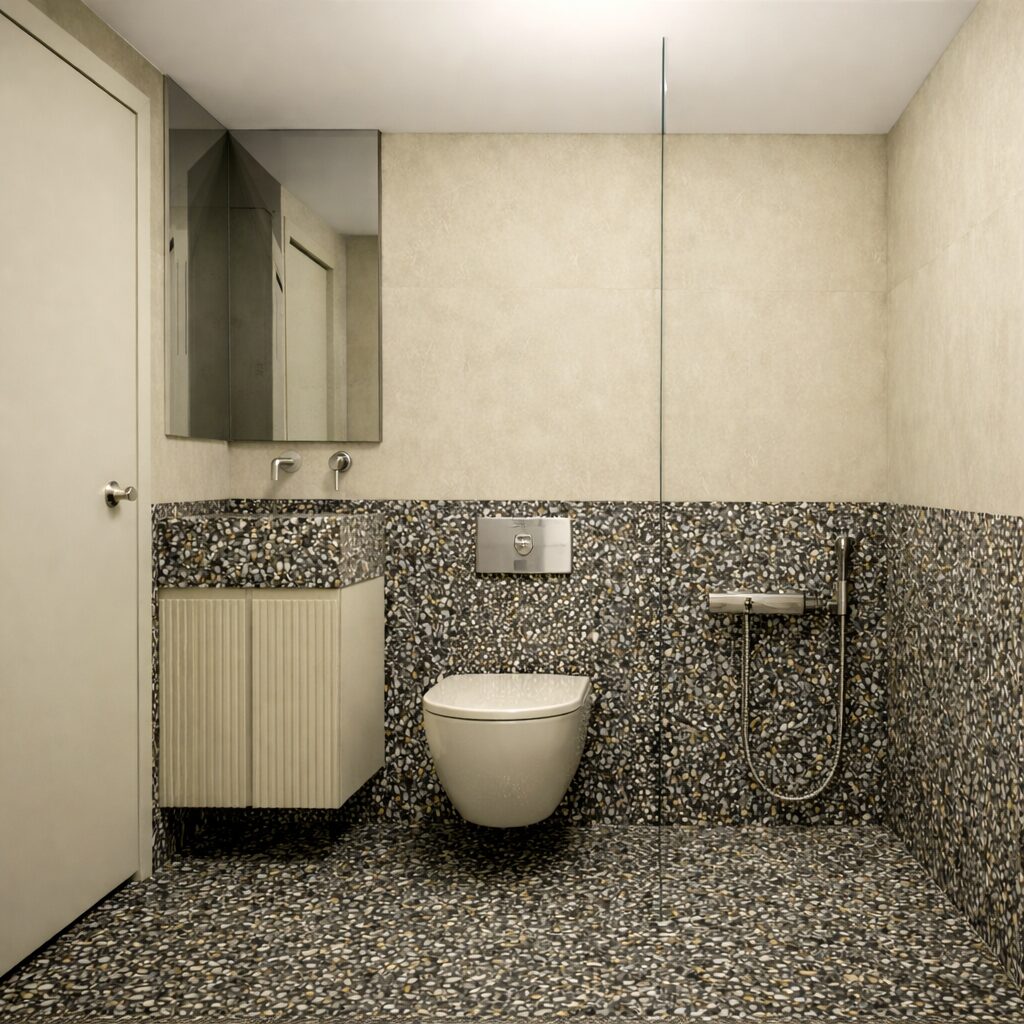
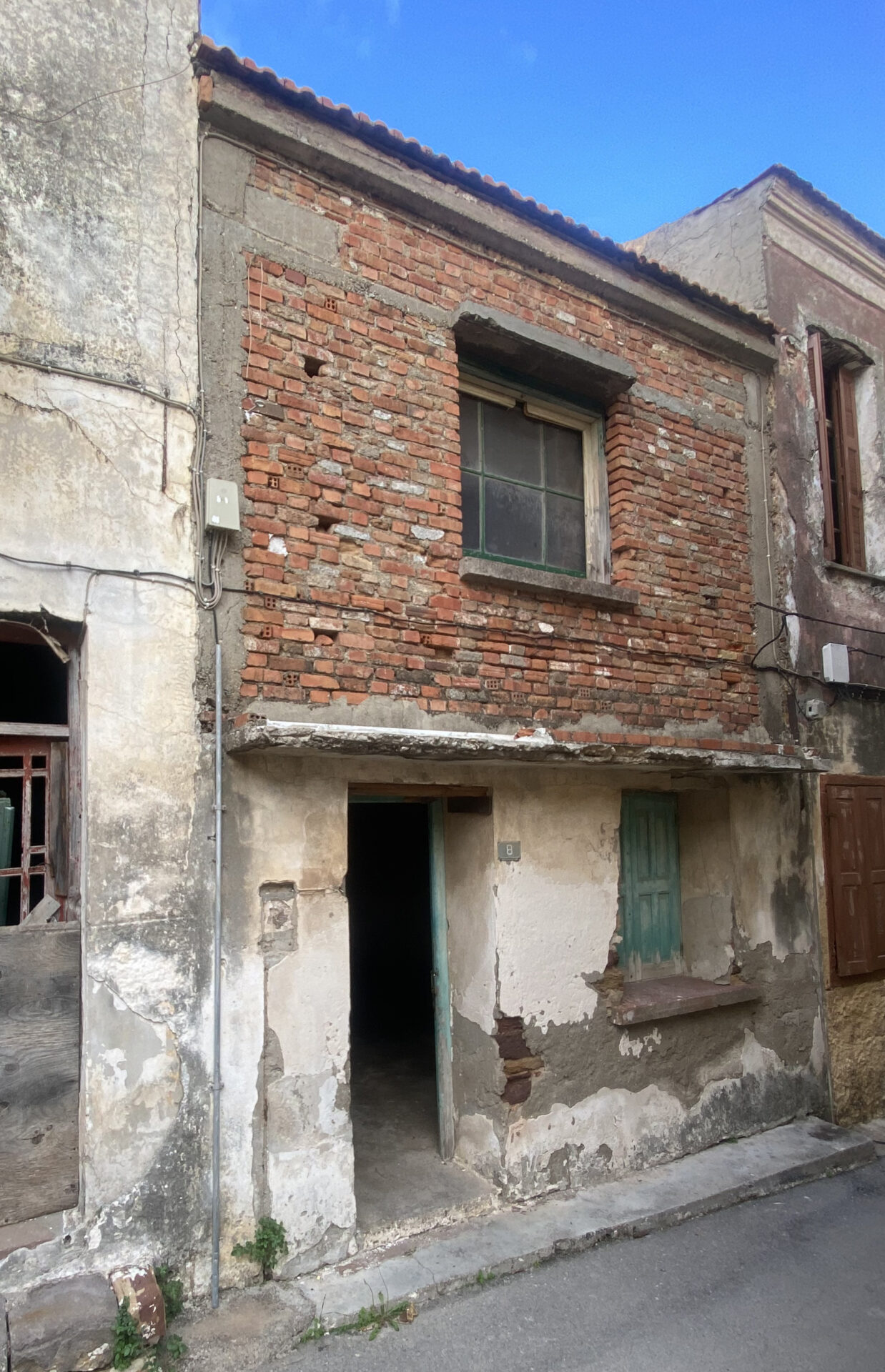
The refugee house under study in the Castle of Chios is a special example of folk architecture that was formed mainly after the Asia Minor Catastrophe (1922), when refugees from the opposite coast of Asia Minor settled inside the castle, in already inhabited but densely built areas. It is a two-story building with an interesting appearance of plastered stone and brickwork without special decoration with small openings both for reasons of stability and for protection from wind and heat.
The restoration of the shell concerns, among other things, the appearance of the load-bearing stone masonry and the preservation of the zoning of the two different materials on the central facade (stone-brick), a ‘vocabulary’ of the different phases of construction of the house, witness to the influence of the successive periods of occupation on the castle (Byzantine, Genoese and Ottoman).
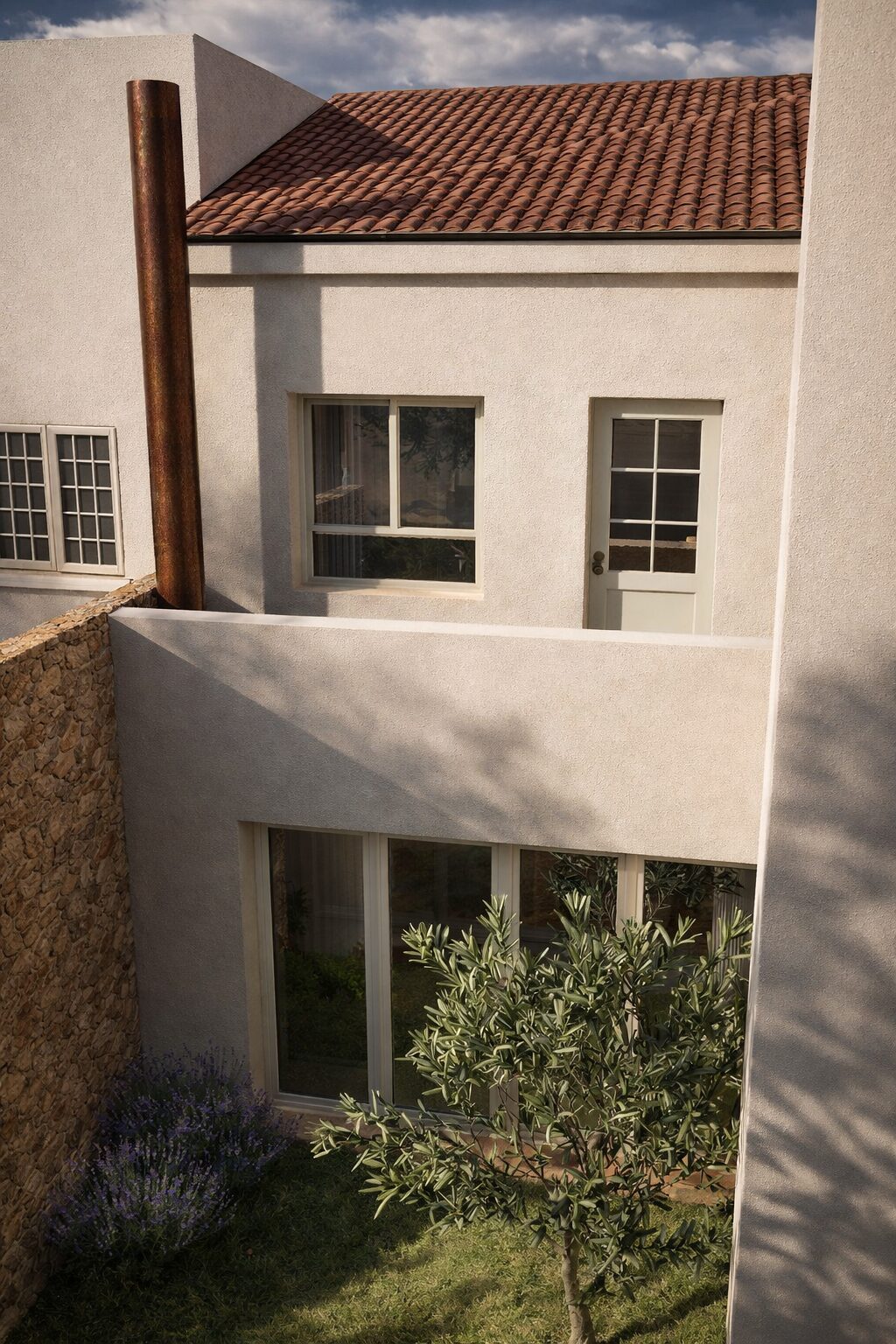
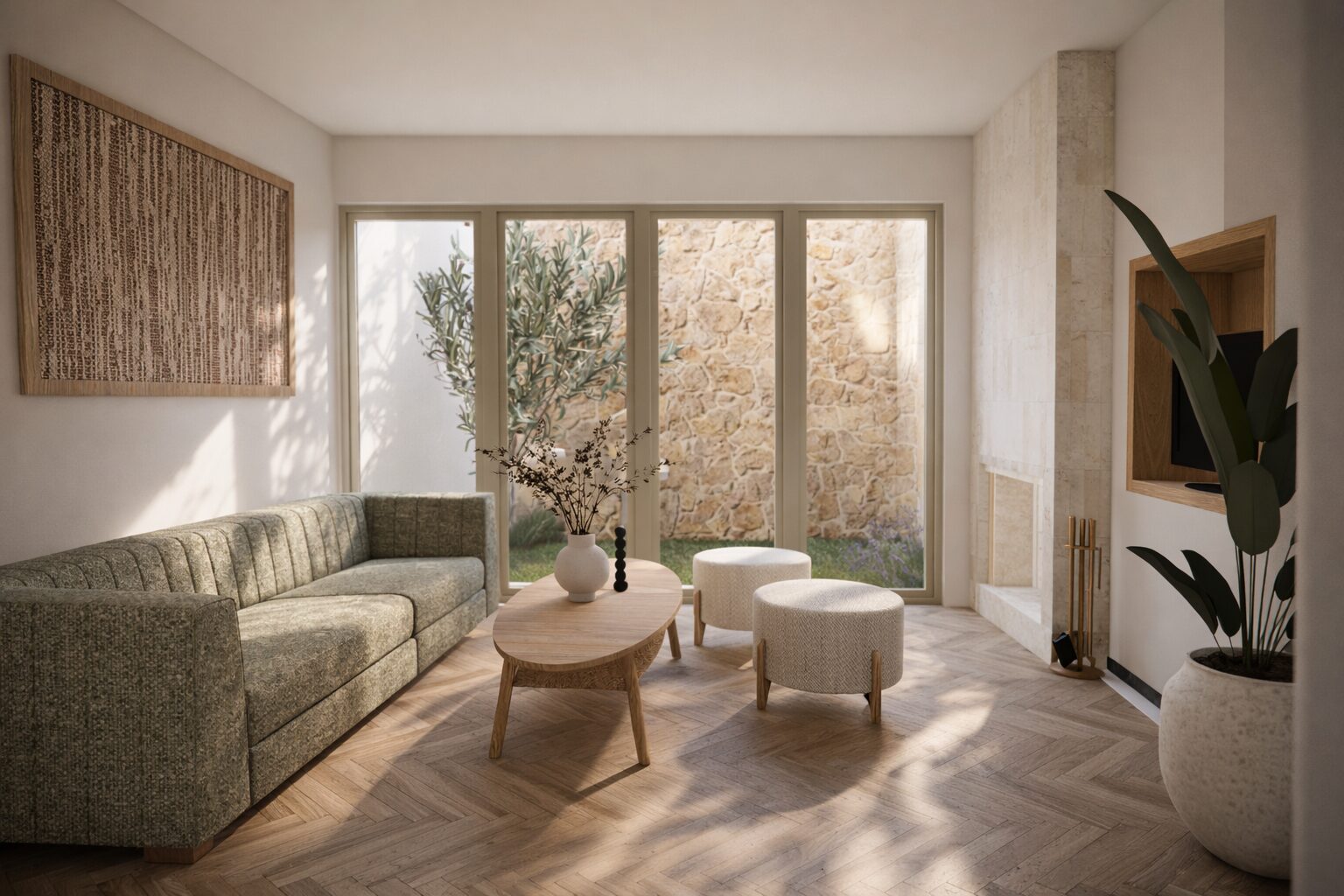
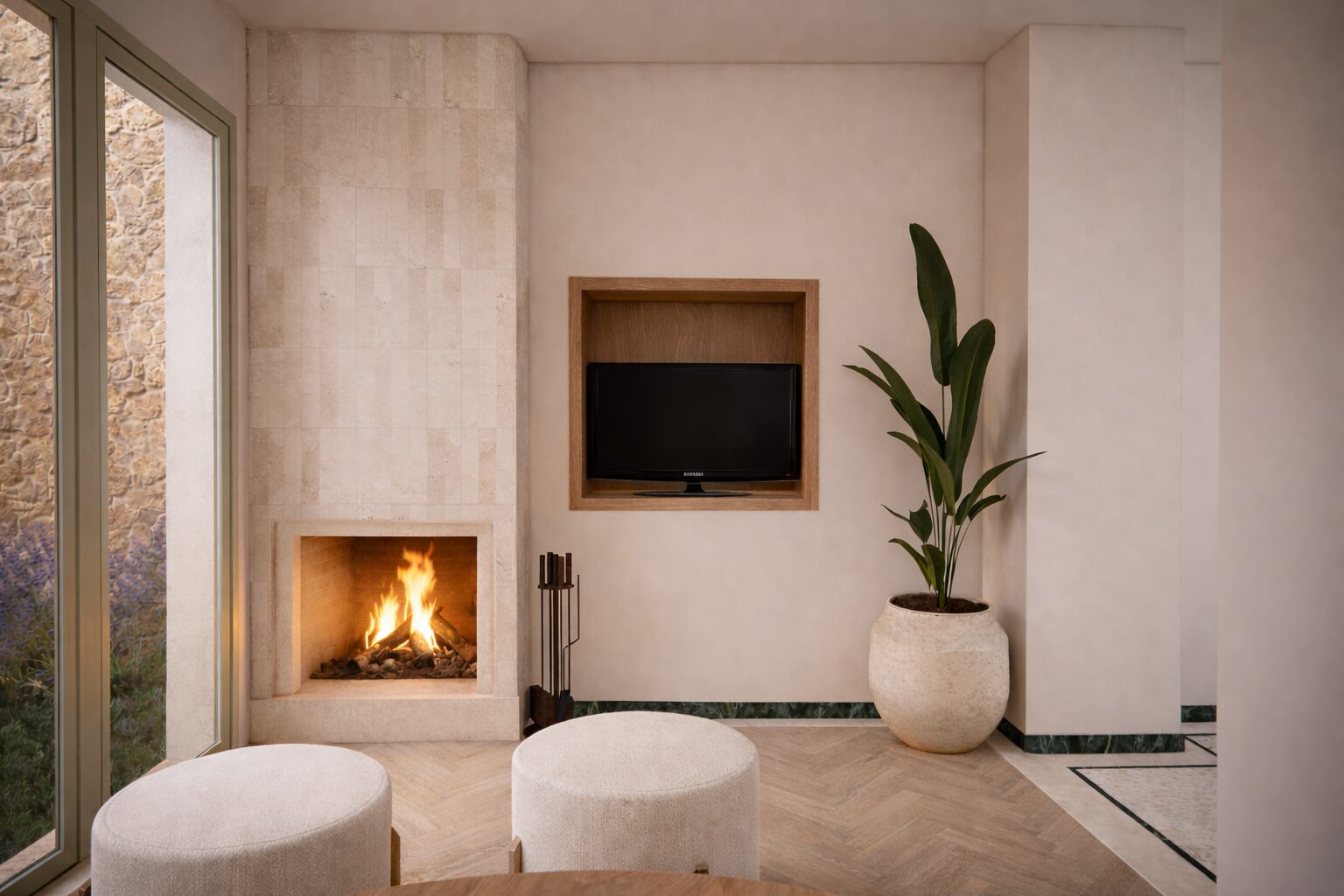
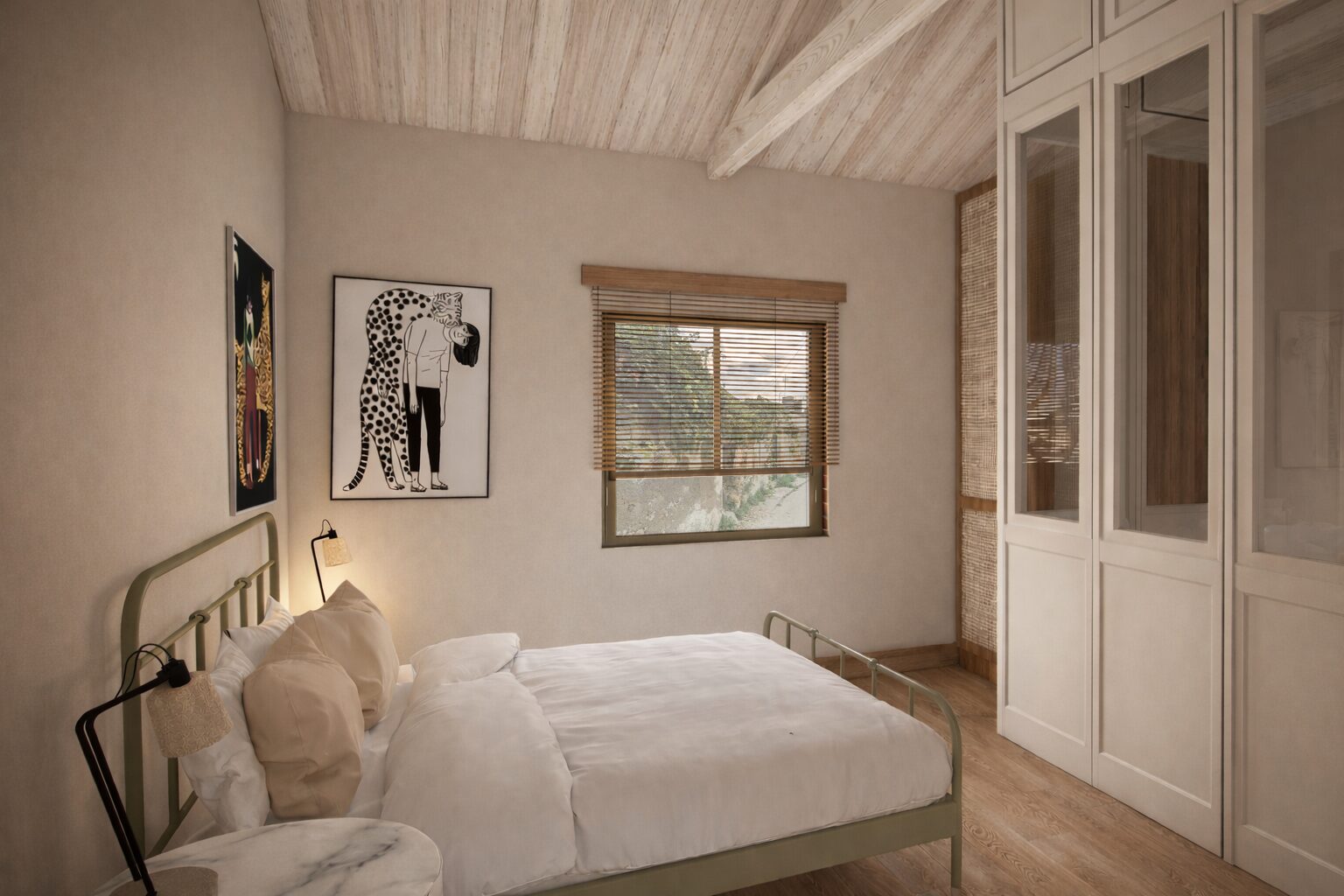
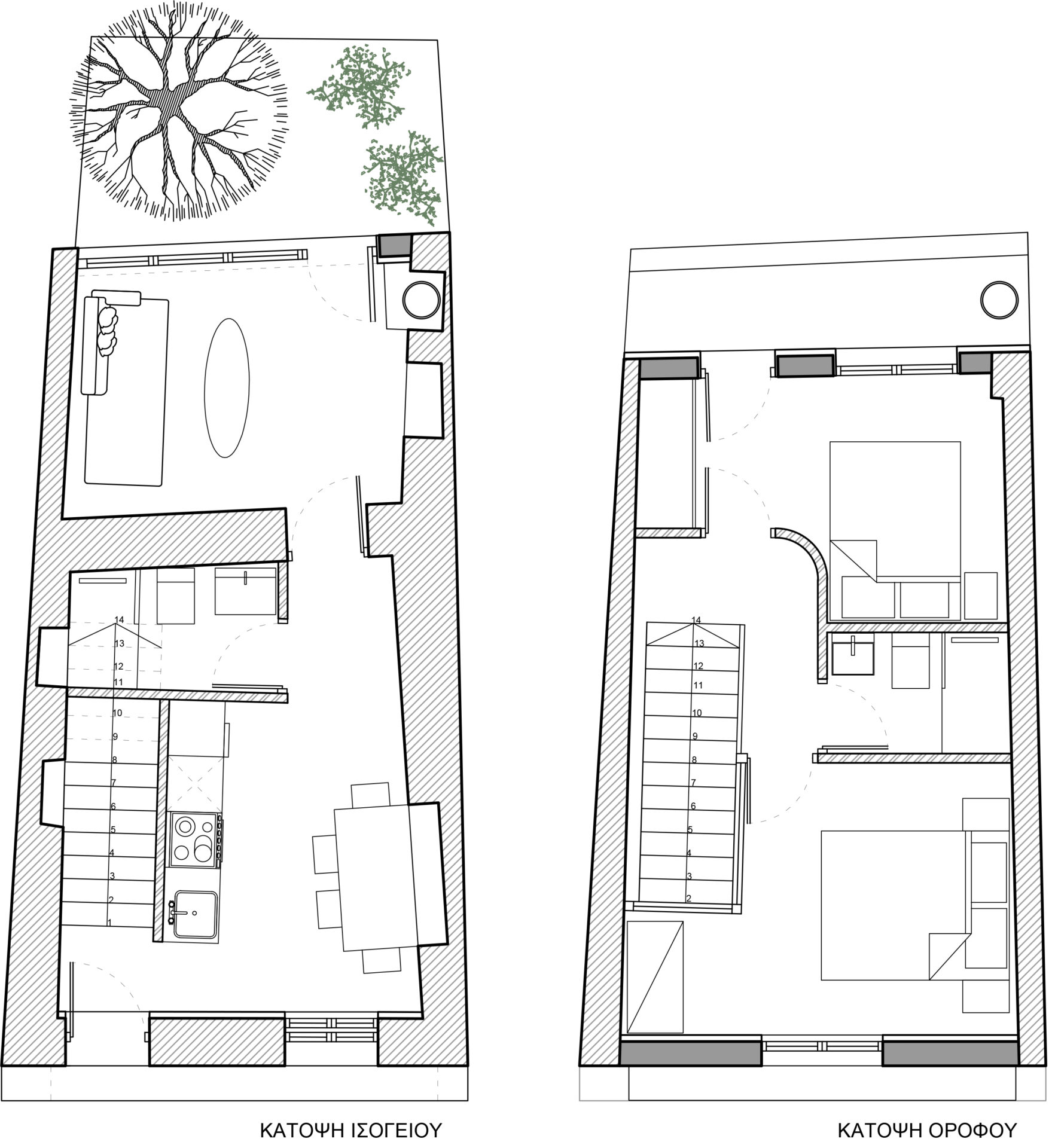
The proximity to the neighboring buildings due to the dense construction and the organization around narrow, labyrinthine streets, due to the limited space within the walls, intensify the need for relaxation in an outdoor green space. For this reason, a window is opened on the northeast side of the ground floor towards the patio, allowing ample light and visual contact with the outside space in the common living areas organized on the ground floor. On the first floor, the bedrooms are developed where the wooden roof is maintained in order to be visible in the entire floor plan.